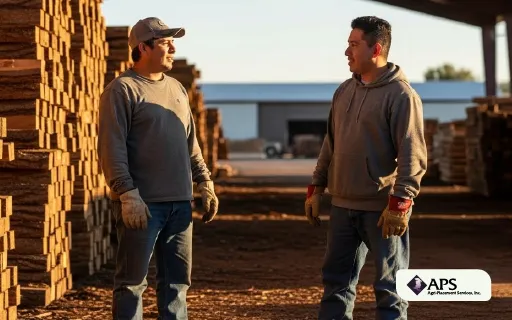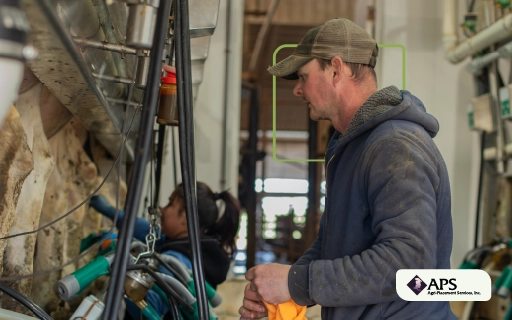
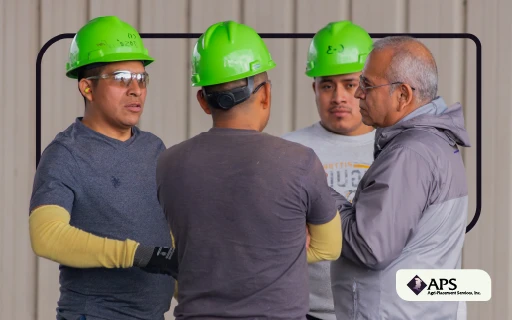
The recruitment and selection process in today’s industrial world is far more than a simple administrative function—it is the strategic engine that drives operational stability, a healthy work environment, and sustainable business growth. In a volatile economic landscape, organizations in sectors such as lumber, agriculture, food processing, and manufacturing face a harsh reality: hiring the wrong person is not just an inconvenience. It is a financial blow that can cost thousands in lost productivity, regulatory penalties, and business stagnation.
As our strategic allies at Morgan Philips rightly point out, an optimized hiring process is about “making success stories happen.” A streamlined process ensures better retention, lower turnover rates, and aligns candidates with the company’s values and environment. Since 1999, Agri-Placement Services, Inc. (APS) has perfected this model, serving as a specialized extension of the HR leadership team for companies in more than 20 states.
Recruitment and Selection Process
The first step in mastering the recruitment and selection process is clarifying a common misconception: recruitment and selection are two distinct, though interconnected, stages of the talent journey. Understanding this difference is where Agri-Placement Services (APS) transforms theory into reality for industrial leaders.
- Recruitment: This is the attraction phase. It involves communicating vacancies to the widest possible qualified audience and positioning the employer brand to draw in potential candidates. It acts as the bridge between the labor market and the company, where no contractual commitment yet exists.
- Selection: This is the scrutiny phase. Here, the hiring team meticulously assesses candidates to identify those who possess not only the technical skills but also the attitude and “cultural fit” required for the role. This stage culminates in the contractual agreement that formalizes the employment relationship.
While many companies understand what a strong recruitment and selection model should look like, few have the time, resources, or internal infrastructure to execute it consistently. APS specializes in building reliable workforces for industries that depend on labor stability to survive. From sourcing the right candidates to validating eligibility and supporting long-term integration, we ensure your recruitment process becomes a strategic competitive advantage.
The ROI of a Structured Recruitment and Selection Process
Many organizations view hiring as a necessary expense rather than a high-return investment. However, when the recruitment and selection process is structured, standardized, and strategically executed, the return on investment (ROI) is measurable and immediate. By partnering with experts, you can avoid three major operational consequences:
1. Avoiding the “Cost of a Bad Hire”
The cost of a bad hire is often underestimated. It includes not just the salary paid, but also the time spent interviewing, wasted training resources, decreased team morale, and the eventual cost of repeating the entire process. A structured workflow, utilizing objective evaluation criteria, minimizes this risk.
Multiple industry studies estimate that replacing a single employee can cost between 50% and 150% of their annual salary, depending on the role. In labor-intensive industries, this is not a theoretical number—it is a daily financial reality. By thoroughly evaluating qualifications and reliability before the hire, companies protect their bottom line.
2. Reducing Staff Turnover
Turnover is not just a workforce problem; it is a profitability problem. It disrupts production, damages team morale, slows learning curves, and increases injury exposure.
Applying a rigorous selection framework ensures that new hires truly fit the job demands and work culture. Organizations with structured processes consistently report higher retention and more stable crews. APS focuses on long-term stability by intricately understanding the unique motivators of the workforce—particularly within Latino communities—ensuring employees feel integrated and productive from day one.
3. The “Legal Shield” and Risk Mitigation
In highly regulated industries, the recruitment and selection process must serve as a compliance filter. APS specializes in shielding companies from federal audits. Modern recruitment standards—such as those highlighted by Morgan Philips—emphasize objective evaluation, transparency, and equal opportunity.
By managing Form I-9 compliance and work eligibility verification, we eliminate our clients’ exposure to severe fines. This legal risk mitigation is one of the highest components of the ROI we provide, ensuring that your hiring decisions are based on skill and capability while being consistently upheld by documentation.
Step 1: Operational Assessment & Workforce Scoping
A successful process starts long before a job advertisement is posted. At APS, we believe that you cannot find the right talent if you haven’t fully defined the environment they will work in. Being transparent and having clarity of all the details of the job will help you choose the right fit.
- On-Site Evaluation: Individual meetings are useful to review the service outline and assess specific labor needs. For industries like lumber and agriculture, understanding the physical demands of the role is crucial for accurate recruitment.
- Facility & Housing Review: If the position includes housing, performing a thorough review to ensure standards are met is a key factor that ensures satisfaction and retention.
- Defining Requirements: Moving beyond a simple checklist helps identify target individuals who will thrive in your specific industrial or agricultural culture.
Step 2: Strategic Sourcing & Expanding the Talent Pool
Once the needs are defined, the recruitment phase begins. According to Morgan Philips, a common mistake is relying on a single source of candidates. To find “the right talent,” you must broaden your outreach using digital tools, social media, ads, and local agencies.
What sets APS apart is our 25 years of experience and a vast database that helps us recruit with higher effectiveness:
- Beyond Job Boards: While digital platforms are useful, APS leverages extensive, trust-based networks within the U.S. and Latino communities. These “offline” avenues often yield the most dependable, hard-working prospects.
- Cultural Trust: Candidates aren’t just looking for a job; they are looking for a reliable employer and a trusted intermediary that facilitates this connection.
- Speed of Deployment: Because of our established networks, we can typically place entry-level employees within two to three weeks, ensuring your production lines never stop.
Step 3: Selection & Objective Evaluation (The Screening Stage)
Once a pool of candidates has been attracted, the process moves into its most critical phase: narrowing down the list.
- Designing the Shortlist Scorecard: To eliminate unconscious bias, we implement a scorecard that ranks applicants based on educational qualifications, technical certifications, and hands-on experience in similar industrial environments.
- The APS “Legal Shield”: In the U.S., the process is incomplete without rigorous I-9 regulatory oversight. APS strictly adheres to federal regulations, ensuring every potential employee provides unexpired, acceptable documents that establish both identity and work eligibility. We assume the burden of documentation so you don’t have to.
Step 4: Interviews & Behavioral Assessment
The interview is the heart of the selection phase. We ask questions designed to reveal how a candidate handles pressure, works in a team, and follows safety protocols. At Agri-Placement Services, we perform bilingual interviews, identifying cultural nuances and removing the language barrier from the start.
Strategic Employment Models: Flexibility for Industrial Demands
Having options designed to fit your company’s risk tolerance is a luxury. At APS, we offer two primary paths:
- Direct Hire Option: For companies that want total control of their payroll. APS handles the recruitment and selection, and you add the employee to your internal structure.
- Employee Leasing Option (The Risk Mitigation Choice): You “lease” employees through APS. We assume the legal and administrative responsibility for payroll, taxes, workers’ comp, and general liability. This provides a superior legal shield for your operation.
Conclusion: Your Partner in Long-Term Prosperity
The recruitment and selection process is the foundation of industrial success. By combining the strategic vision of Morgan Philips with the tactical execution and legal shield of Agri-Placement Services, Inc. (APS), your company gains a competitive edge. Since 1999, our promise has been to ensure a prosperous, long-term employer-employee relationship. Leave the hiring to APS so you can focus on growing your business.