
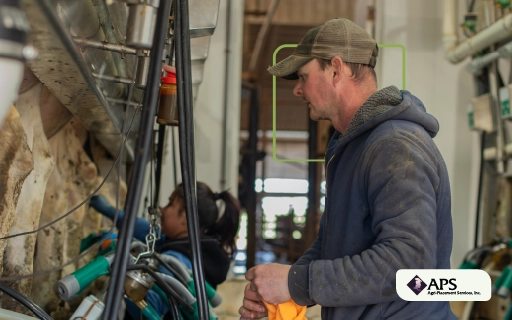
Employee retention and engagement continue to be critical priorities for organizations facing high turnover and disengaged teams. Employees today expect more than compensation; they seek growth, guidance, and meaningful connections at work.
One proven approach to addressing these expectations is the implementation of structured mentorship programs. When designed with clear objectives, mentorship becomes a strategic driver of long-term retention and sustained engagement rather than an isolated HR initiative.
This article explains how mentorship programs increase retention and engagement, why they work, and what organizations should consider when implementing them.
What Are Mentorship Programs in the Workplace?
Mentorship programs are formal initiatives that connect employees with more experienced professionals to support learning, career development, and professional alignment within an organization.
Unlike informal advice or occasional coaching, structured mentorship programs follow defined timelines, roles, and goals. This structure ensures consistency and measurable impact across teams.
Mentorship relationships are built on trust, guidance, and shared experience, making them particularly in environments where professional growth and employee connection are priorities.
Why Retention and Engagement Are Business-Critical Metrics
Retention and engagement are closely connected to organizational performance, culture, and cost efficiency.
Low retention often reflects deeper issues related to career stagnation, lack of support, or weak employee relationships. Engagement, on the other hand, measures emotional commitment and motivation at work.
Organizations that fail to address these areas often experience higher recruitment costs, reduced productivity, and lower morale across teams.
The Cost of Employee Turnover
Employee turnover has both direct and indirect costs. Beyond recruitment expenses, organizations also lose institutional knowledge and team continuity.
Research from Gallup indicates that replacing an employee can cost between 50% and 200% of their annual salary, depending on role complexity and seniority. These costs make retention strategies essential rather than optional.
How Engagement Influences Performance
Engaged employees tend to show higher productivity, stronger collaboration, and greater accountability. Engagement influences how employees interact with customers, manage challenges, and contribute to long-term objectives.
Mentorship programs directly impact engagement by creating learning opportunities and reinforcing a sense of purpose within the organization.
How Mentorship Programs Increase Employee Retention
Mentorship programs address several of the most common reasons employees leave organizations.
Career Clarity and Professional Growth
One of the primary drivers of turnover is a lack of visible career progression. Employees who do not see growth opportunities often look elsewhere.
Mentorship provides structured career guidance, helping employees define goals, understand skill gaps, and identify internal opportunities. This clarity reinforces long-term commitment and reduces voluntary exits.
Building a Sense of Belonging
Employees are more likely to remain in organizations where they feel connected and supported.
Mentorship strengthens interpersonal relationships across departments and seniority levels. These connections reduce isolation, especially for new hires or remote employees, and help embed individuals into the organizational culture.
A strong sense of belonging is a predictor of employee retention.
Improving Early-Stage Retention
The first months of employment are critical. Many employees leave within their first year due to unclear expectations or lack of guidance.
Mentorship programs support early retention by:
- Helping new hires navigate organizational culture
- Offering a safe space for questions and feedback
- Accelerating learning and confidence
This early support significantly increases the likelihood of long-term retention. If you want to connect mentorship to onboarding and training outcomes, see training impact
How Mentorship Programs Increase Employee Engagement
While retention focuses on staying, engagement reflects how employees show up every day.
Continuous Learning and Skill Development
Mentorship encourages ongoing learning through regular discussions, problem-solving, and shared experiences.
Employees who feel they are developing professionally tend to be more engaged, as learning reinforces motivation and relevance in their roles.
Motivation, Confidence, and Accountability
Having access to a mentor increases confidence by validating strengths and offering constructive guidance.
Mentors encourage accountability by helping mentees set realistic goals and track progress. This combination of support and challenge drives higher engagement levels over time.
Alignment With Organizational Goals
Mentors often help employees understand how their work contributes to broader company objectives.
This alignment strengthens purpose-driven engagement and encourages proactive participation rather than passive task completion.
Elements of Mentorship Programs
Not all mentorship programs deliver the same results. Overall impact depends on design, execution, and ongoing evaluation.
Clear Structure and Defined Expectations
A mentorship program delivers consistent and measurable results only when it operates within a clearly defined framework. Without explicit objectives or timelines, mentorship relationships often lose direction, become irregular, or depend too heavily on personal chemistry rather than outcomes.
Clearly defined expectations help both mentors and mentees understand how mentorship fits into their daily responsibilities. When time commitments, goals, and responsibilities are transparent from the start, participation becomes intentional and sustainable.
A structured program reduces friction by clarifying how progress will be evaluated and what success looks like at each stage. This clarity increases accountability, strengthens commitment, and ensures that mentorship remains a strategic initiative rather than an informal activity.
Thoughtful Mentor-Mentee Matching
The quality of a mentorship program depends largely on how mentors and mentees are paired. Even well-designed programs can underperform if the matching process is superficial or based solely on hierarchy.
Thoughtful matching considers professional alignment as well as interpersonal compatibility. When mentors have relevant experience aligned with the mentee’s goals, conversations become more practical and focused. At the same time, compatible communication styles foster trust, openness, and psychological safety.
Strong mentor-mentee matches accelerate relationship-building, encourage honest feedback, and create mentorship experiences that remain valuable beyond the formal program duration.
Training and Support for Mentors
Experience alone does not guarantee successful mentorship. High-performing employees may struggle to guide others without structured support, especially when mentorship responsibilities are added on top of existing workloads.
Providing mentors with clear guidance and resources ensures consistency across the program. Training helps mentors understand how to facilitate growth-oriented conversations, set realistic goals, and adapt their approach to different mentee needs.
Successful mentor support typically includes:
- Communication and active listening skills to encourage meaningful dialogue
- Constructive feedback techniques that promote growth without discouragement
- Goal-setting and progress tracking methods to turn conversations into outcomes
Well-supported mentors improve program quality, increase participant satisfaction, and reinforce the credibility of mentorship initiatives across the organization.
Measuring the Impact of Mentorship on Retention and Engagement
Measuring the impact of mentorship programs is essential to ensure they remain aligned with organizational objectives and deliver real business value. Without clear evaluation mechanisms, mentorship initiatives risk becoming symbolic actions rather than strategic development tools.
High-quality measurement allows organizations to understand not only whether the program is working, but also how it is creating value. It helps identify which components strengthen retention, which increase engagement, and which areas require improvement. Data-driven evaluation transforms mentorship from a cultural initiative into a performance-driven strategy.
By linking mentorship outcomes to business indicators, organizations can justify long-term investment, secure leadership support, and continuously refine program design based on real results.
Metrics to Track
To evaluate the real impact of mentorship programs, organizations must go beyond participation numbers and focus on meaningful performance indicators. These metrics should reflect both behavioral change and organizational outcomes.
Organizations typically evaluate mentorship success using:
- Employee retention rates, to measure whether participants remain longer within the organization compared to non-participants
- Engagement survey results, to assess motivation, satisfaction, and emotional commitment
- Internal mobility and promotion data, to track career progression and development impact
These indicators provide insight into both short-term and long-term effects. In the short term, they reflect changes in motivation and engagement. In the long term, they reveal how mentorship influences career growth, loyalty, and organizational stability.
When tracked consistently, these metrics allow organizations to demonstrate tangible ROI and strategic value.
Feedback and Program Optimization
Quantitative data alone is not enough to fully understand mentorship impact. Qualitative feedback from mentors and mentees provides critical insights into the real experience of the program.
Regular feedback mechanisms help organizations identify structural gaps, communication issues, and mismatches in expectations. They reveal what participants find most valuable, allowing leaders to strengthen the most impactful elements of the program.
Continuous optimization ensures that mentorship programs evolve alongside organizational needs. As business priorities, workforce dynamics, and employee expectations change, mentorship models must adapt to remain relevant, credible, and effective over time.
Common Challenges and Practical Solutions
Even well-designed mentorship programs face operational and cultural challenges. Limited time availability, low participation, and inconsistent commitment are among the most common barriers.
These challenges are rarely structural alone; they are often linked to weak leadership alignment or unclear value communication. When mentorship is perceived as an optional activity rather than a strategic priority, engagement naturally declines.
Clear leadership support, realistic program expectations, and flexible mentorship formats help overcome these barriers. When mentorship is integrated into daily workflows and recognized as part of professional development, participation becomes sustainable and meaningful.
Long-term success depends on positioning mentorship not as an HR initiative, but as a core organizational capability that supports growth, performance, and talent retention.
Mentorship in Agriculture: Where Retention and Productivity Meet
Agriculture is a strong fit for structured mentorship because retention, communication, and operational consistency directly impact output. In many operations, performance depends on onboarding quality, safety routines, housing adjustment, and fast conflict resolution.
For additional context on workforce expectations and candidate readiness, see working with APS
Why mentorship is highly practical in agricultural operations
Mentorship helps workers integrate faster and reduces day-to-day friction.
- Faster onboarding into safety and quality standards
- Stronger communication across bilingual teams
- Better adaptation to housing and community expectations
- Earlier prevention of avoidable conflicts
How mentorship improves stability in agricultural workplaces
Mentorship strengthens workforce stability by reducing uncertainty and preventing small issues from escalating into disengagement or early resignations.
- Clarifies expectations on quality, safety, and work standards
- Improves communication when language or cultural differences exist
- Builds confidence through consistent guidance and feedback
- Helps resolve misunderstandings early, before they affect morale
- Reinforces a sense of belonging and long-term commitment
How APS Supports Workforce Stability
Mentorship programs strengthen employee retention and engagement by improving career clarity, building trust-based relationships, and reinforcing expectations—especially in labor-intensive environments where stability and communication directly affect results.
In agriculture, mentorship supports faster integration through better onboarding, cultural adaptation, and day-to-day guidance, helping employers maintain consistent operations.
APS reinforces these outcomes with end-to-end workforce support: assessing labor needs and work conditions, placing employees, coordinating initial transport, completing I-9/W-4, providing bilingual cultural support, and offering replacement workers when needed. APS also offers a One-time Recruitment Plan with follow-up and replacement recruitment options—helping reduce friction and improve workforce continuity.
Frequently Asked Questions (FAQs)
How long should a mentorship program last?
Most programs achieve optimal results they run between six and twelve months, allowing time to build trust and measure progress.
Are mentorship programs suitable for senior employees?
Yes. Mentorship benefits employees at all levels, including experienced professionals preparing for leadership roles.
How does APS support workforce stability and new-hire integration?
APS supports operational continuity by combining recruitment with end-to-end workforce support: assessing labor needs and working conditions (including employer-provided housing when applicable), placing employees, coordinating initial transportation, completing required new-hire paperwork (I-9/W-4), and providing cultural support and bilingual communication. When needed, APS also helps coordinate replacement workers and offers ongoing employer–employee support to strengthen integration and reduce day-to-day friction.