If you run a farm, ranch, or any operation that feeds America, you already know the truth: it has never been harder to find reliable workers in the United States.
According to recent data referenced by Cornell University and agricultural lenders like AgAmerica, more than half of U.S. farmers report turning down work, reducing acreage, or delaying harvests simply because they can’t find enough hands. With rising labor costs and increased competition, knowing which farm jobs are most in demand and how much do agriculture jobs pay in the US.
According to the U.S. Department of Labor and extension programs from Ohio State University, agriculture remains one of the most essential and fastest-evolving industries in the nation. Nevertheless, in a volatile economic climate, the true battle for every major operation is fought on two fronts: securing a stable, compliant essential workforce, and strategically recruiting the high-skill talent necessary for the next technological leap.
That’s why understanding the main types of farm jobs in the USA helps farm owners plan smarter, hire faster, and protect their bottom line. Here you’ll find the most in- demand 10 agriculture careers, salary expectations, and the skills needed to succeed, all explained in a simple and practical way.
#1 Farm Laborer / Agricultural Worker
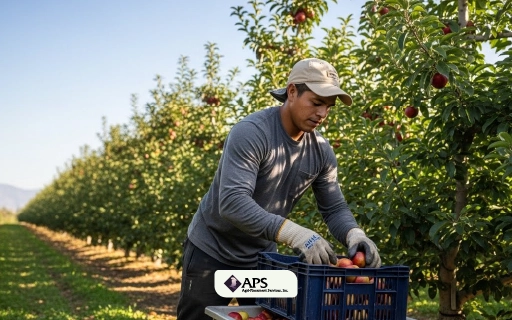
A farm laborer is one of the most essential hands-on roles in U.S. agriculture. These skilled employees handle tasks such as planting, harvesting, sorting, and operating basic equipment.
Why this role matters to your bottom line
Farm laborers are the core force that keeps production moving. Without them, yields drop, directly affecting the market price. Many farms offer agriculture jobs in USA for foreigners with visa sponsorship through the highly regulated H-2A program, which continues to grow due to the labor gap.
Average payment
According to the U.S. Department of Labor, agricultural workers typically earn $15–$20 per hour, depending on the state, crop, and season.
#2 Crop Farmer (Grain, Produce and Specialty Crops)
A crop farmer manages everything from the grain and soybeans to high-value specialty crops, including the planting, growing, and harvesting of large-scale crops.
· Direct operation and maintenance of tractors and farm machinery.
· Oversees irrigation, weed control, and pest management.
· Manages soil health, fertilization, and crop rotation.
· Supervises seasonal farm crews and field operations, focused on safety and productivity.
Average Pay:
According to estimates from the U.S. Department of Agriculture (USDA) and Ohio State University Extension, crop farmers typically earn $40,000 to $70,000 per year. Compensation is a direct reflection of the scale and market profitability of the specific crop managed.
The importance of this job:
Skilled crop farmers are becoming increasingly valuable. Demand remains strong as large-scale operations rely on experienced, stable workers to optimize resource use and maintain production and profitability.
Job #3: Livestock Handler & Animal Farm Worker
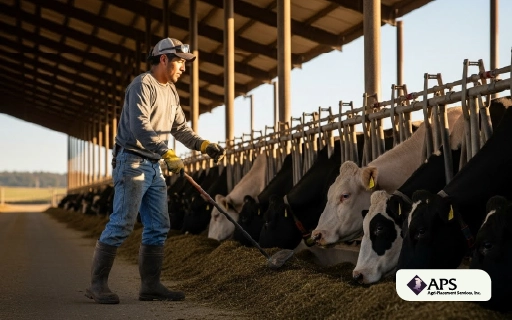
A livestock handler works directly with animals such as cattle, pigs, poultry, or sheep. These roles are essential in meat production and large ranches across states like Nebraska, Texas, Iowa, and Wisconsin. The handler’s consistent execution of daily routines is crucial for maintaining animal health and welfare standards, mitigating future catastrophic financial risks.
About the job duties:
· Feed, monitor, and care for animals daily.
· Assist with breeding, calving, and herd health programs.
· Maintain barns, pens, and feeding equipment.
· Identify illness or abnormal behavior and support veterinarians.
Average payment:
According to data from the U.S. Bureau of Labor Statistics and Nebraska Extension, livestock workers typically earn $13–$22 per hour, with full-time annual salaries ranging from $32,000 to $50,000.
The impact of the job:
The U.S. is one of the world’s largest producers. Livestock operations depend on reliable workers to keep animals healthy and production stable. It’s a win- win, if the animals are healthy, the economy rises up.
Job #4 Agricultural Logistics & CDL Truck Driver
In the agribusiness supply chain, production is worthless without transportation. The Agricultural Logistics Driver handles the vital link between the farm/mill and the market, requiring a Commercial Driver’s License (CDL) to move large volumes of product (grain, lumber, livestock, meat).
Logistics drivers are essential for managing time-sensitive deliveries. Delays in transporting goods directly result in financial losses.
About the Job Duties:
· Operating and maintaining large vehicles (e.g., grain trucks, livestock haulers).
· Managing sensitive livestock transport (animal welfare compliance).
· Handling documentation and manifests for regulated or perishable goods.
· Adhering to strict federal Department of Transportation (DOT) and state regulatory requirements.
Payment and demand:
Drivers are in high demand nationwide, and the payment for drivers typically ranges from $22–$35 per hour, reflecting the high skill level and regulatory compliance required.
Job #5: First-Line Supervisor / Crew Lead
The First-Line Supervisor is the operational bridge between farm management and the frontline workforce. This role is the heartbeat of field productivity and the primary factor in reducing employee turnover.
Therefore, effective supervision is directly tied to higher productivity, fewer accidents, and better worker retention.
Job duties:
· Coordinating daily tasks and worker assignments.
· Training new employees and ensuring safety standards are followed.
· Monitoring work pace, quality, and efficiency in the field.
· Reporting issues, injuries, or equipment problems to management.
Average Pay:
Crew Leads typically earn between $16–$28 per hour, depending on the type of farm and region.
Why this job matters, especially for retention:
Data from Gallup shows that employees who feel supported by their direct supervisor are significantly less likely to quit. Investing in strong, trained supervisors is the best defense against high labor turnover.

#6 Irrigation Technician (The Water Efficiency Imperative)
The Irrigation Technician is essential for maintaining crop health and maximizing operational yields, especially in states where water access directly impacts profitability, such as California, Arizona, Nebraska, and Texas. This role has become one of the top jobs in agriculture for long-term stability.
According to research from the University of Nebraska–Lincoln Extension, efficient irrigation management can increase crop output by 25% while reducing water waste and operational costs.
Job duties:
· Installing pipes, valves, drip systems, and sprinklers.
· Monitoring irrigation schedules and adjusting water flow.
· Repairing pumps, lines, and system blockages.
· Working closely with farm managers to optimize water usage.
Payment:
In the U.S., Irrigation Technicians earn between $17–$30 per hour. This investment helps farms stay compliant with state regulations, cuts utility costs, and protects crop yields during unpredictable weather patterns.
Job #7: Equipment Operator / Heavy Machinery Operator
An Equipment Operator is one of the most indispensable agricultural workers on any large-scale farm and operation. These workers handle high-value machinery (tractors, harvesters, loaders) that keep daily operations moving.
Job duties:
· Operating tractors, harvesters, and tillage equipment.
· Performing routine maintenance and safety checks.
· Transporting crops, feed, and materials around the farm.
· Troubleshooting mechanical issues before they cause downtime.
Payment:
Equipment Operators typically earn $16–$28 per hour.
Why this job matters:
According to Ohio State University Extension, farms that rely on skilled operators see significantly fewer accidents, less equipment downtime, and higher overall productivity. This role offers long-term career potential, moving into roles like Crew Lead or Maintenance Supervisor.
Job #8: Farm Mechanic / Agricultural Equipment Technician
A Farm Mechanic is one of the most high-demand and high-value agriculture jobs in USA. This technical role is the non-negotiable insurance policy that keeps the entire enterprise running smoothly.
According to data from Cornell University’s programs, farms with dedicated mechanics reduce equipment downtime by up to 40%, directly improving productivity and lowering repair costs.
Job duties:
· Diagnosing and repairing high-dollar machinery (tractors, sprayers, harvesters).
· Performing preventive maintenance to avoid failures during peak seasons.
· Managing parts inventory and ensuring safety and EPA compliance standards.
Average Payment:
Farm Mechanics are among the most well-paid careers in agriculture, typically earning between $20–$35 per hour. In high-production states like Nebraska, Wisconsin, and Michigan, technicians with advanced expertise often earn even higher wages.
#9 Precision Agriculture Technician
The answer of the question, what is the most paying job in agriculture is answered with jobs like Precision Agriculture Technician which have become one of the fastest-growing and highest-paying jobs in agriculture. This role combines farming knowledge with modern tools like GPS-guided equipment, drones, and data analytics.
According to Ohio State University Extension, precision ag technologies can increase yields by 10–20%, reduce input costs, and improve labor efficiency. This role is essential for farms striving to stay competitive and updated.
Job duties:
· Operating and calibrating GPS-guided tractors and sprayers.
· Using drones and sensors to monitor crop health and field conditions.
· Collecting and analyzing data to optimize fertilizer use and irrigation.
· Supporting farm managers in making data-driven decisions.
Average Payment:
Precision agriculture technicians typically earn between $22–$40 per hour.
Job #10 Agronomist / Crop Consultant
This high-skill position focuses on the health and productivity of the primary asset: the soil and the crop itself. They are experts in soil management, crop production, and sustainable land use.
The Agronomist provides crucial advice on improving crop yields, optimizing fertilization rates, and implementing advanced pest and disease control strategies. Their recommendations are directly tied to increasing harvest volume and reducing the cost of unnecessary inputs.
Job Duties:
· Soil Science: Analyzing soil data and making recommendations for nutrient management.
· Yield Optimization: Advising farm management on seed varieties and planting schedules.
· Risk Mitigation: Developing integrated pest management (IPM) strategies to protect crops while ensuring chemical use complies with federal guidelines.
Average Payment:
Agronomists command high compensation, often earning between $60,000 to $110,000+ per year, reflecting the direct financial impact their expertise has on farm revenue.
CONCLUSION:
At Agriplacement, we know finding reliable labor has become one of the biggest challenges in American agriculture. From crop production to livestock and jobs in agribusiness operations, every job listed in this guide plays a direct role in keeping farms productive, profitable, and compliant.
With labor shortages rising across states like Texas, California, Iowa, and Nebraska and with foreign workers playing an essential role in filling the gaps, understanding the top jobs in agriculture in the USA is now more important than ever.That is why, whether you are exploring these agribusiness careers or searching for agriculture jobs in USAwith visa sponsorship, these ten roles represent stable, high-demand opportunities across the entire agricultural sector.